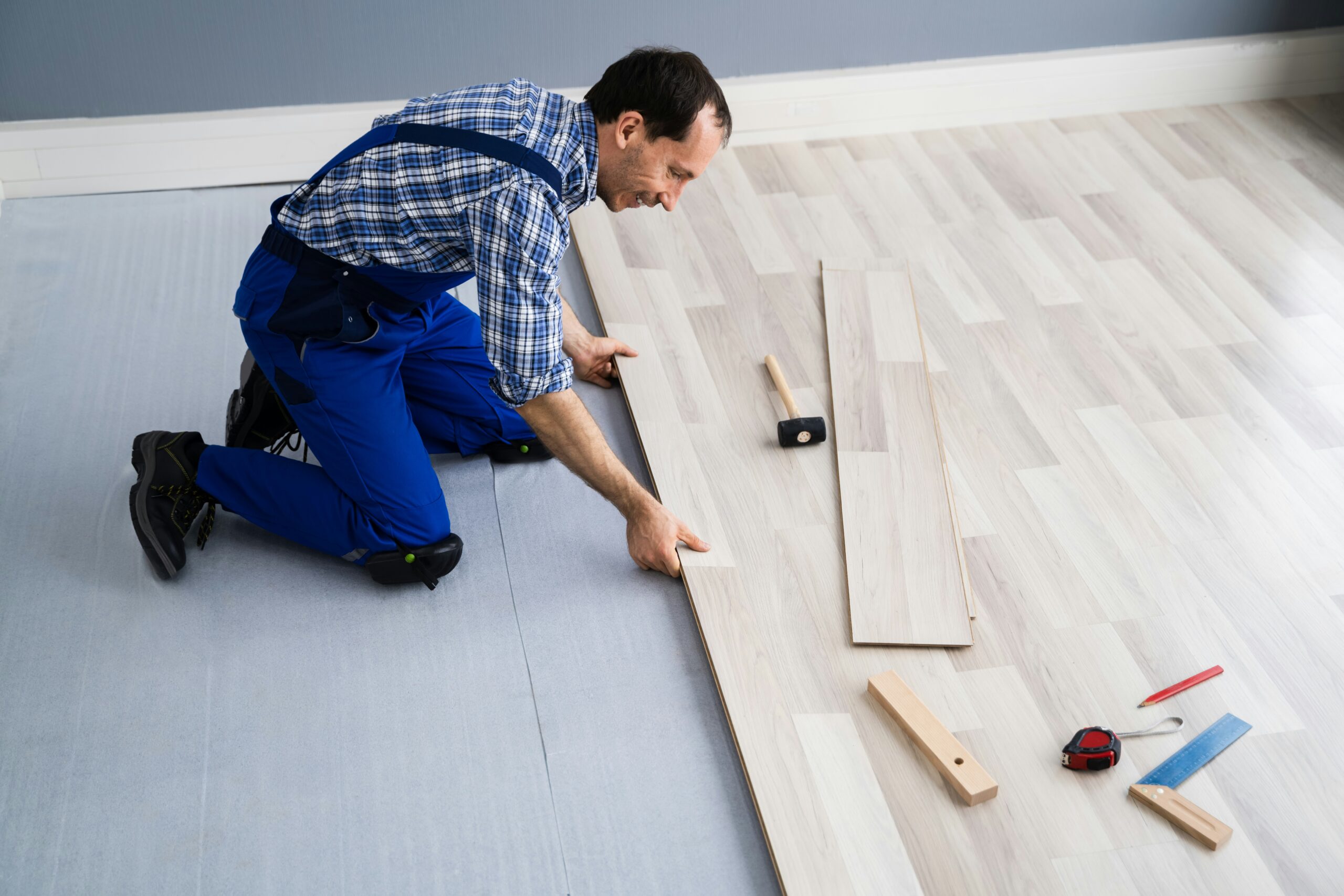
20 Good Facts For Choosing Floor Installation
Why It Is Essential To Fix Subfloors Before Any Flooring InstallationSubfloor repairs are the unglamorous aspect of flooring installation nobody talks about and also nobody wants to spend money on. It's not obvious what the task was like and it's not very attractive to photograph It also adds expenses to the homeowner's budget. Homeowners have usually set to a specific number. However, it is without question, the single most significant factor that determines if your new flooring will function the best it can or starts falling apart within the first year. The housing stock in Philadelphia -- rowhomes, twins, older colonial homes across Bucks County, Delaware County ranches that have crawlspaces are particularly vulnerable to subfloor issues that go undetected until a new floor goes down and reveals them. Here's a few things every homeowner needs be aware of prior to installing.
1. The Subfloor Is The New Floor Is Actually Attached To
It's simple enough, but you get lost in the excitement of selecting materials. Whether you're installing nail-down hardwood, glue-down LVP, floating laminate, and porcelain tiles, your final surface will only be as durable as the floor underneath. If your subfloor has soft spots, flex, moisture damage, or level variation will not go away once the new flooring is applied -that's why it communicates every issue upwards, typically within months. The flooring installers licensed by the state evaluate the subfloor prior anything else due to this reason.
2. Philadelphia's older homes have subfloor Conditions that are awe-inspiring to contractors.
Homes constructed prior to 1960 in Philadelphia, South Jersey, and the rest of the surrounding counties, often feature diagonally-cut board subfloors rather than plywood -- this was a method of construction that was popular at the time but is a real hindrance when it comes to modern flooring installation. Board floors are more vulnerable to shifting, contain gaps among planks, and generally require an addition of plywood before hardwood or tile installation is feasible. Contractors who aren't able to flag this in their estimates did not do their homework properly or are intending to get around it by using methods that may cause problems later.
3. Soft Spots Can Be a Warn Sign, Not a Minor Problem
A soft spot in your subfloor -- one that gives a slight amount when you walk upon it, typically indicates water damage, rot or delamination of the subfloor material itself. Installing flooring over the soft spot won't repair it; it hides it for a while, but the issue remains under. For hardwood flooring at Philadelphia specifically, the soft spots pose a threat to the staple or nail anchor that keeps the flooring in place. Flooring that becomes squeaky, squeaking, or separating from the subfloor almost always will be traced back to a weak spot that was never addressed prior installation.
4. The variation in level affects every flooring Type in a Different Way
A majority of flooring manufacturers provide a maximum allowable variation in flatness of subfloors -- usually three-quarters of an inch for the span of 10 feet. The excess tolerance can affect different flooring types in various ways. Tile flooring isn't the most durable: high spots scratch tiles, and low spots break grout lines and a subfloor that is uneven that is covered with large-format stone is a guarantee of callbacks. LVP manages slight variation better than most, yet significant the ridges or dips still show throughout the course of time. Hardwood telegraphs unevenness as hollow spots or movement. Subfloor leveling compounds or targeted grinding is the answer to avoid the cause of the problem.
5. Subfloor moisture Subfloor is a distinct issue from the humidity of your home.
This is a two-part issue needing separate solutions. The indoor humidity of the room affects how wood flooring expands in the seasons. Subfloor moisture -transfer of vapors through concrete or wicking in old wooden subfloors, or residual dampness caused by leaks directly sever adhesive bonds, causes floating floors to buckle and increases the likelihood of mold growth under finished flooring. A reliable moisture reading prior to floor installation at Philadelphia homes is an essential practice. When it's not done, the contractor is assuming rather than understanding what they're working with.
6. Concrete Slabs need to be tested for moisture before gluing-down installation
It is common for glue-down hardwood and LVP installation on concrete is a common feature and is commonplace in Delaware County and South Jersey homes that have slab-on-grade construction. What's not often explained to homeowners is the fact that concrete slabs release moisture vapour continuously, and how much is crucially important for the performance of adhesives. Even a concrete slab with a pass on a physical inspection may still fail the calcium chloride and relative humidity test. Flooring adhesive applied over an area with a high atmospheric vapor emission could break its connection -- typically within an entire year. Then, the floor may start to shift, swell or split.
7. Subfloor Repairs Costs are a challenge to estimate without seeing
That's why professionals who are trustworthy will not offer the price in a definitive way over the phone. Repairs to subfloors in Philadelphia may range from a basic patch of wood for $200 up to a few dollars per square foot for huge areas that have extensive water damage. One way to find out is to make a visit to the area and adequate assessment. Homeowners who push contractors for a locked-in sum before anyone has looked at the subfloor could create an environment where the contractor will construct a large margin or cuts corners when problems show up mid-job.
8. Tile Installation is the most Punishing Test of Subfloor Integrity
Porcelain and ceramic tile have no flexibility. They transfer stress directly into the bond underneath them. A subfloor that exhibits significative flex will fracture grout and tile no matter how carefully the tile was set. A standard requirement for installing tile is a subfloor assembly stiff enough so that it meets the standard of deflection that engineers use as L/360which means that a 10 foot span can not deflect more that 1/3 of an inch when under loads. Older Philadelphia houses often fall short in this regard without reinforcement. Bathroom tile installation failures in older homes are nearly all the time a result of subfloor stiffness hidden behind a wall.
9. Controlling the Subfloor Now Helps Protect the Refinishing Value in the Future
One of hardwood flooring's main longevity advantages is the possibility to make it possible to sand and polish it multiple times over time. The benefits are lost if subfloor beneath is damaged. Refinishing and sanding floors throughout Philadelphia requires a sturdy proper-fastened floorand one that doesn't sway, move, flex, or squeak under the sanding equipment. Subfloor issues that are manageable initially can cause major problems when refinishing attempts are made sometime later. Making sure the floor is properly repaired from the start will protect any future service that the floor may need.
10. The contractors who find subfloor Probleme Are the Ones That are Worth employing.
It's possible to find it a little odd -it's not everyone's idea to be told that their work just became much more costly prior to when it began. A flooring contractor who examines your area, detects subfloor issues and includes repair within their scope is doing precisely what a professional must do. The ones who don't mention the issue, or quote a price that is low and begin to lay flooring on subfloors that are in need of repair are the ones who receive negative reviews a few months after. When you're getting flooring estimates in Philadelphia and the thoroughness of the evaluation before the quote is written contains all you need to know about how the process of installation will work. View the top rated
laminate flooring installation Philadelphia for blog info including hardwood floor installation Philadelphia, engineered hardwood installation Philadelphia, luxury vinyl flooring Philadelphia, LVP floor installation cost Philadelphia, floor installation Bucks County PA, affordable flooring installation Philadelphia, laminate flooring installation Philadelphia PA, subfloor repair Philadelphia, hardwood floor installation South Jersey, tile flooring installation Philadelphia and more.

How To Locate Licensed Flooring Contractors In Philadelphia
Finding flooring contractors in Philadelphia is a breeze. Locating a certified, insured professional who will be available six months after the work if anything goes wrong -- that's the portion that requires time and effort. The Philadelphia metropolitan area is home to a diverse spectrum of flooring installers: established companies with decades of local work legitimate independent operators with genuine skills, and also a vast array of unlicensed establishments that compete for price alone. They disappear when problems surface. Bucks County, Montgomery County, Delaware County, and South Jersey all have their local contractors' ecosystems that have similar levels of quality. Here's how to navigate it without learning the hard way.
1. Know the meaning of licensing in Pennsylvania
Pennsylvania will require home renovation contractors -- which includes flooring installers -- to be registered as registered with the Attorney General's Office under the Home Improvement Consumer Protection Act. This is different from an trade license and is the legal minimum, not a mark of extraordinary quality. The flooring contractor who operates in Philadelphia or surrounding counties without this registration is already working outside of the law, even before they've even touched your floor. It is possible to verify the status of registration via the Pennsylvania Attorney General's website before a flooring contractor has a footstep in your home.
2. The Insurance Contract is Non-Negotiable. It's Simple to Verify
General liability insurance will protect your property in case a contractor is liable for damage caused during installation. Workers' compensation coverage protects you from liability if someone is injured when working. Both must be current and verifiable. If you're a flooring contractor, ask the one you're considering hiring for proof of insurance- not their word that they've got it, but a real certificate that includes their name and policy number. The most reputable flooring companies will pull this document on a regular basis, and they won't hesitate to do so. Companies that resent or block on this request are telling you something very important.
3. Local Reviews Show More Than Star Ratings
A flooring contractor that has a 4.8 median and 200 feedback on Google can be more helpful than one that has a 5.0 as well as 11 customer reviews. Go through the reviews' texts instead of just the stars. Seek out specifics about how issues were dealt withevery contractor is faced with jobs that don't work out perfectly, and the most reliable contractors are the ones who came in, communicated, as well as rectified the issue. Philadelphia flooring reviews that address particular neighborhoods, floor types and the results of projects are more reliable than general five-star reviews. Cross-reference between Google, Yelp, and the BBB to get a more complete picture.
4. For more specific information, ask about experience with Your Floor The type
Flooring isn't a one-time trade. For a contractor, who's installed LVP in a home with 500 rooms may not have experience with nail-down solid wood, engineered flooring that glues down over concrete, or large-format porcelain tile. If you're considering estimates for hardwood floor installation in Philadelphia be sure to inquire as to how many similar jobs they've completed in the last year, and if you're able to find a recent referral. Contractors who can be confident in their expertise are happy to answer this question. The ones who evade the question with generic claims are worth looking more carefully.
5. The free estimate site reveals More than the Quote
A reputable flooring contractor in Philadelphia should offer a free estimate. This includes actually going to your house. The level of their visit -- how well they assess the subfloor, whether they inquire about the history of moisture or explain clearly their service scope you a lot more about the professional than the number they write down at the end. A contractor who is spending 45 minutes inspecting your space and asking detailed questions is different from one who enters, measures the room, and hands you a number in ten minutes without looking under the floor.
6. Have three quotations before making a decision.
Three quotes is the bare minimum for any flooring installation project in Philadelphia of any size. More important than the total is what each quote actually comprises: subfloor preparation including material removal and disposal as well as baseboards, transition strips furniture movement, and cleaning up after installation. Quotes that give a one-time cost per square foot but no further breakdown invite users to examine these items later, during the process, with less influence. Quotes that include itemized information allow you to compare companies on a level playing field rather than comparing one contractor's all-in cost against another's floor number.
7. Neighborhood Reputation Still Carries Real Weight in Philadelphia
The Philadelphia metro area -- including city neighborhoods, suburbs with inner rings, and counties that extend towards Bucks and Delaware is built on relationships and still has a significant impact for tradesmen's work. Talking to neighbors, block societies or local community Facebook groups to name the companies they've utilized and trusted to install flooring for their homes an answer that doesn't mean that a search algorithm results. A flooring company that has been a good choice at your neighborhood or in your township can have a reputation to protect in a manner that a contractor from across the region would not. This referral network, which is informal, has been neglected and truly valuable.
8. Watch for the Patterns Unlicensed Operators Take note of the Patterns Unlicensed Operators
Certain behavior patterns are associated with contractors who are cutting corners in licensing and insurance. Pay with cash only. The inability to provide a written contract. Quotes that are given verbally without in writing. No physical business address nor a telephone number. Pressure to take action quickly prior to prices change. Subcontractors showing up on install day you've never had the pleasure of meeting and that weren't included in the estimate. None of them is unconfirmed, however multiple appearances are enough to make you reconsider your list to find properly vetted flooring contractors.
9. Cross-County Searches Expand Your Options without sacrificing quality
A few of the top flooring contractors in Philadelphia proper are based in Montgomery County, Delaware County and South Jersey and work across the entire metro region regularly. If you limit your search only to Philadelphia-based companies can be limiting your options. It's all about their experience to Philadelphia's housing inventory (rowhomes and older subfloor conditions, common issues with moisture -- not which side of the urban line their facility is on. It is a Bucks County flooring contractor with solid Philadelphia testimonials is worth calling.
10. A written contract safeguards both Parties and defines the Work
Before any work begins, you must sign a contract which outlines the flooring material's name, company name and brand along with the procedure for installation and the extent of subfloor prep, the timing of payment, project timeline, and what happens in the event that hidden issues like subfloor damage are discovered mid-job. Contracts are used by licensed flooring contractors as a standard practice. This contract isn't meant to be a symbol to show distrust; it's the document that keeps a solid working relationship when something unexpected happens between the day when the floor is laid and final walkthrough. Read the most popular See the top rated engineered hardwood installation Philadelphia for website info including licensed flooring installers Philadelphia, engineered hardwood installation Philadelphia, best flooring contractors Philadelphia, LVP flooring Philadelphia PA, flooring installers South Jersey, engineered hardwood installation Philadelphia, hardwood floor installation cost Philadelphia, cheap flooring installation Philadelphia, LVP flooring installation Philadelphia, solid hardwood floor installation Philadelphia and more.